

Introduction
Artificial Intelligence (AI) is undoubtedly one of the most powerful tools in digital marketing today. From content generation and ad optimization to personalized experiences, AI has revolutionized how businesses approach marketing. However, as AI tools become more sophisticated, there’s a rising counter-narrative in the marketing world one that argues for authenticity over automation.
In 2026, many brands are pushing back against AI-driven marketing campaigns that focus on efficiency and automation. Instead, they are prioritizing a more human touch. In this blog, we’ll explore why this backlash against over-reliance on AI in marketing is gaining traction and how brands can strike a balance between automation and authenticity to build deeper connections with their audiences.
Why the Pushback Against AI in Marketing?
1. The Desire for Real Connections
As AI tools become more integrated into marketing strategies, consumers have grown increasingly aware of the impersonal nature of machine-driven communication. Brands that rely solely on AI for content creation, customer interactions, and even decision-making risk alienating their audience. Consumers crave genuine connections—something that AI can’t replicate.
In fact, 84% of consumers say that they are more likely to engage with a brand if they feel a human element is present in the communication. This demand for real relationships is driving brands to reconsider their over-reliance on automation and focus on human-driven strategies that feel more personal and authentic.
2. AI-Generated Content Feels Robotic
AI content tools can generate blog posts, social media captions, and even ad copies in seconds. However, one of the most significant drawbacks of AI-generated content is that it can lack emotion, creativity, and true human insight. While these tools may be effective in generating large volumes of content, they often fail to resonate on a deeper, emotional level with audiences.
When audiences perceive content as “robotic” or “generic,” they are less likely to engage with it. This is especially true in an age where consumers are overwhelmed by content and ads. Brands that focus too much on automation risk losing their unique voice and diminishing their ability to create genuine emotional connections.
3. The “Cookie-Cutter” Approach to AI Marketing
AI is built on data, patterns, and algorithms. This means that many AI-driven marketing campaigns tend to follow similar patterns and approaches. While this may work for short-term efficiency, it leads to a lack of differentiation. In the long run, brands that rely too heavily on AI risk blending in with their competitors and losing the unique qualities that set them apart.
Brand authenticity cannot be captured solely by algorithms. It comes from understanding a company’s core values, vision, and mission, and ensuring that these are communicated in a way that is consistent, original, and aligned with the audience’s values.

Why Authenticity is More Important Than Ever
1. The Importance of Trust
In 2026, trust is more important than ever in marketing. Consumers are becoming increasingly savvy about the content they consume and the brands they support. They are more likely to engage with a brand they feel is authentic and transparent, as opposed to one that feels too automated or “salesy.”
According to recent data, 59% of consumers would prefer to buy from brands they perceive as authentic, even if the product is priced slightly higher. This trend highlights how authenticity can significantly influence consumer loyalty and brand advocacy.
2. Human-Centric Content Creation
While AI can assist in content generation, it is the human touch that makes content relatable. Authentic content isn’t just about showcasing products; it’s about telling a story—the story behind the brand, the mission, and the values. Brands that are focused on human-centric marketing prioritize creating personal narratives, customer stories, and behind-the-scenes content that resonate emotionally with their audience.
Take, for instance, companies that champion cause-driven marketing—brands that focus on social causes, sustainability, and ethical practices. These brands are able to differentiate themselves by emphasizing human values, something AI cannot replicate.
3. The Power of User-Generated Content (UGC)
One of the most authentic forms of marketing is user-generated content. This content, which includes testimonials, reviews, social media posts, and videos created by real customers, offers a level of authenticity that AI-generated content simply cannot match. UGC not only builds trust but also amplifies a brand’s credibility and fosters community.
As we move into 2026, businesses are leaning into UGC more than ever before. By allowing real customers to tell their stories, brands can build a more engaged and loyal audience.
How to Strike the Right Balance Between AI and Authenticity
While AI is an essential tool in today’s marketing toolkit, it should never replace the human touch entirely. Here are some tips on how brands can find the balance:
1. Use AI for Efficiency, Not Creativity
AI is excellent for tasks that require high efficiency, such as data analysis, customer segmentation, and ad optimization. However, when it comes to creating content, campaigns, or messaging, always keep the human element at the forefront. Let AI handle the repetitive tasks while focusing human effort on creative strategy and brand storytelling.
2. Prioritize Personalization
Personalization is key to authenticity. Use AI tools to gather data and personalize content based on the customer’s behavior and preferences. However, ensure that the content still feels personal and tailored to the individual. Human involvement in writing personalized emails, social media messages, or customer service interactions can make all the difference.
3. Leverage AI for Insights, Not Decisions
AI can be incredibly useful in providing insights about customer behavior, trends, and campaign performance. However, when it comes to making decisions that affect brand direction, messaging, or values, the input of real people should be prioritized. This ensures that the brand remains true to its voice and values, even as it scales.
4. Engage with Your Audience Authentically
Even if you’re using AI to automate certain processes, make sure to engage with your audience in a personal, human way. Respond to comments, interact on social media, and foster a genuine connection with your community. This creates a two-way conversation rather than a one-sided marketing message.
Conclusion
AI-driven marketing has brought about significant changes in how brands connect with their customers, but it’s clear that authenticity will always reign supreme. In 2026, as the backlash against over-automation grows, brands that focus on creating genuine, human-centered experiences will stand out in an increasingly crowded marketplace.
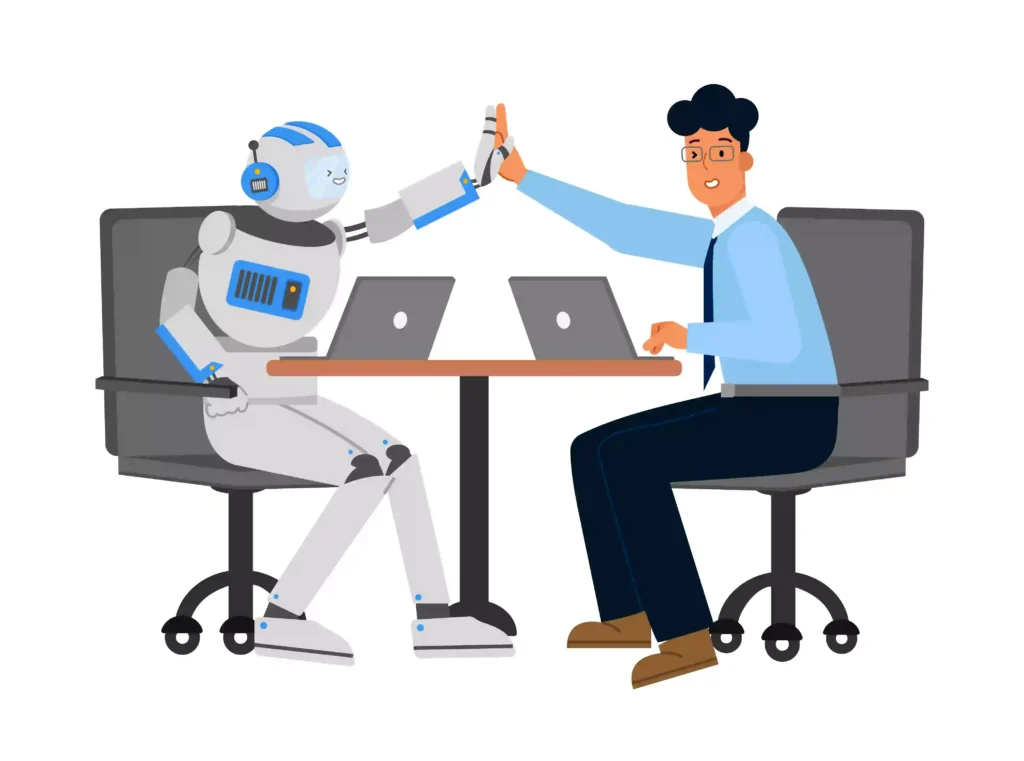
By finding the right balance between AI and authenticity, brands can leverage the power of automation without sacrificing the personal touch that today’s consumers demand. In the end, it’s not about choosing one over the other, but about combining the strengths of both to create marketing strategies that truly connect with people.