

Introduction
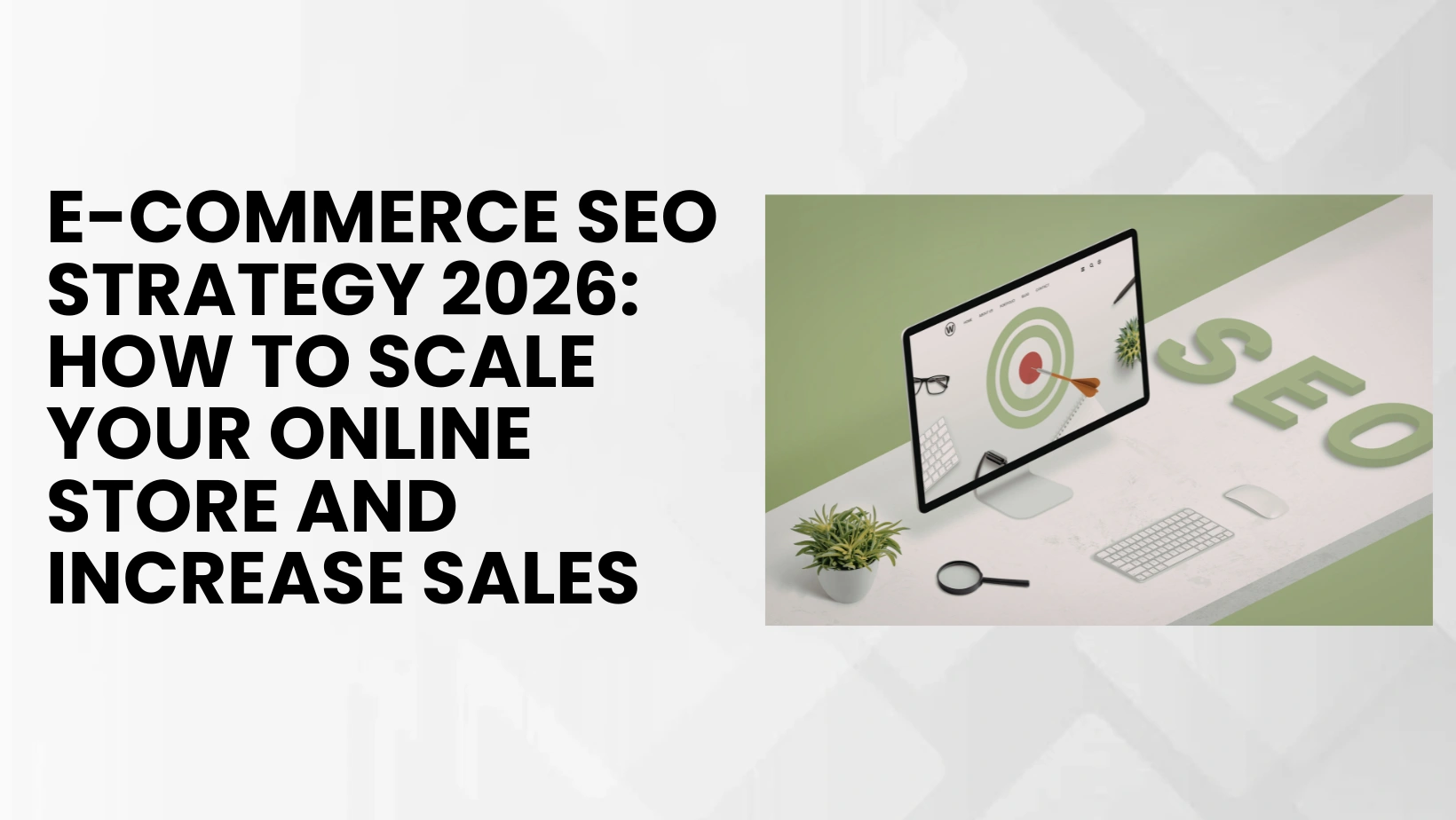
The e-commerce industry is growing rapidly, and competition is increasing every day. In 2026, simply having an online store is not enough—you need a strong SEO strategy to stand out and attract customers.
E-commerce SEO helps your website rank higher on search engines, drive organic traffic, and increase sales without relying entirely on paid ads.
In this blog, we will explore a complete e-commerce SEO strategy that can help you scale your online store and achieve long-term growth.
What is E-commerce SEO?
E-commerce SEO is the process of optimizing your online store to improve its visibility in search engine results.
Key Goals of E-commerce SEO
- Increase organic traffic
- Improve product visibility
- Boost conversions
- Reduce dependency on paid ads
Why SEO is Important for E-commerce in 2026
With rising ad costs, SEO provides a sustainable growth channel.
Long-Term Traffic
SEO generates consistent traffic over time.
Cost-Effective Marketing
Unlike ads, SEO doesn’t require ongoing spending for each click.
Higher Trust and Credibility
Users trust organic search results more than ads.
Better ROI
SEO delivers higher returns in the long run.
Keyword Research for E-commerce SEO
Keyword research is the foundation of your strategy.
Types of Keywords
Transactional Keywords
- “Buy running shoes online”
- “Best laptop under 50000”
Informational Keywords
- “How to choose the right shoes”
- “Best laptops for students”
Keyword Research Tips
- Focus on long-tail keywords
- Analyze competitor keywords
- Use search intent
- Target low-competition keywords
Website Structure for E-commerce SEO
A well-structured website improves both SEO and user experience.
Ideal Structure
- Homepage
- Category pages
- Sub-category pages
- Product pages
Best Practices
- Keep URLs clean and simple
- Use breadcrumb navigation
- Ensure easy navigation
- Avoid duplicate pages
On-Page SEO for E-commerce
Optimizing individual pages is crucial.
Product Page Optimization
Key Elements
- SEO-friendly product titles
- Unique product descriptions
- High-quality images
- Customer reviews
- FAQs
Category Page Optimization
Category pages target broader keywords.
Tips
- Add descriptive content
- Use internal linking
- Optimize meta tags
Meta Tags Optimization
Title Tag
Include primary keywords and brand name.
Meta Description
Write compelling descriptions to improve CTR.
Technical SEO for E-commerce
Technical SEO ensures your site performs well.
Website Speed Optimization
- Compress images
- Use caching
- Choose fast hosting
Mobile Optimization
Most users shop on mobile devices.
Fix Duplicate Content
Use canonical tags to avoid duplication.
XML Sitemap
Helps search engines index your site efficiently.
Content Marketing for E-commerce
Content helps attract and engage customers.
Types of Content
- Blog posts
- Buying guides
- Product comparisons
- Tutorials
Content Ideas
- “Best products in 2026”
- “Top 10 must-have gadgets”
- “How to choose the right product”
Link Building for E-commerce SEO
Backlinks improve your website authority.
Strategies
- Guest posting
- Influencer outreach
- Product reviews
- PR campaigns
Conversion Rate Optimization (CRO)
Getting traffic is not enough—you need conversions.
Improve User Experience
- Easy navigation
- Fast checkout
- Clear CTAs
Build Trust
- Customer reviews
- Secure payment options
- Return policy
Use Urgency and Offers
- Limited-time discounts
- Flash sales
- Free shipping
Local SEO for E-commerce
If you serve specific areas, local SEO helps.
Tips
- Use location-based keywords
- Optimize Google Business Profile
- Add local content
Common E-commerce SEO Mistakes
Duplicate Product Content
Avoid copying manufacturer descriptions.
Poor Website Speed
Slow sites lead to higher bounce rates.
Ignoring Mobile Users
Mobile optimization is critical.
Weak Internal Linking
Impacts SEO and user navigation.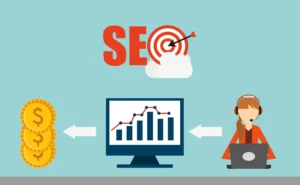
Advanced SEO Strategies for 2026
AI-Based SEO
Use AI tools for keyword research and content optimization.
Voice Search Optimization
Optimize for conversational queries.
Visual Search
Optimize images for search engines.
Measuring SEO Success
Key Metrics
- Organic traffic
- Keyword rankings
- Conversion rate
- Bounce rate
- Revenue
Future of E-commerce SEO
Personalization
Customized shopping experiences will grow.
Automation
AI will automate SEO processes.
Omnichannel Marketing
Integration of multiple channels will be key.
Conclusion
E-commerce SEO is essential for scaling your online store in 2026. By focusing on keyword research, technical SEO, content marketing, and conversion optimization, you can build a strong online presence and increase your sales.
SEO is a long-term investment, but when done correctly, it delivers consistent growth and high ROI.